The Mighty Nod: Why a Tiny Head-Bob Does More for UK Life Than a Thousand Awkward Hellos
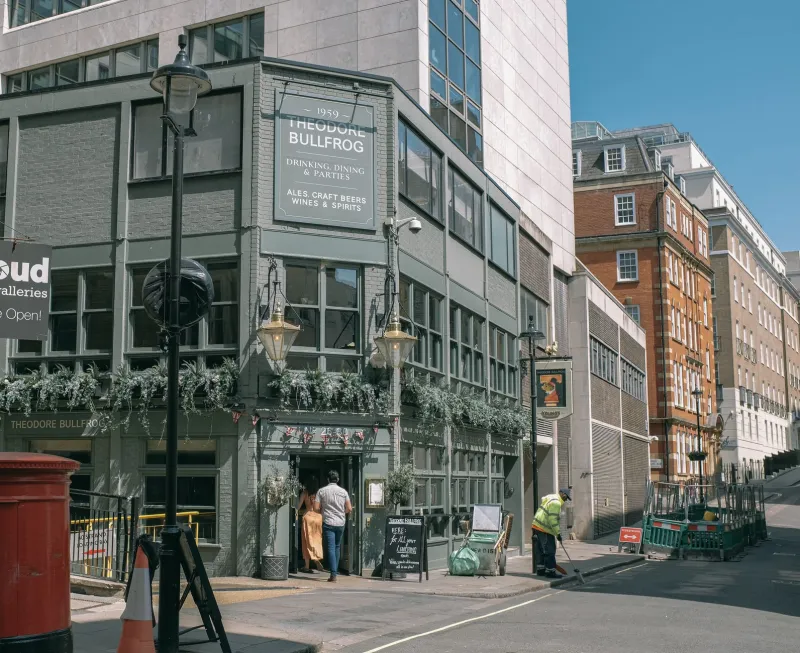
There is a moment in British life that needs no words. You walk into a pub. Someone at the bar catches your eye. You do not know their name. You may never speak to them. But you give a small, dignified nod. They nod back. The transaction is complete. You are both acknowledged as members of the human race, and nobody had to ask how work was going.
The nod is a tiny thing. It is also quietly brilliant. It is the reason Nodiz feels like a good name for a site about everyday life: most of the good stuff is small, human and slightly understated. A nod says I see you. It says I am not ignoring you. It says I am currently holding a bag of shopping and will not be starting a fifteen-minute chat about the weather.
The pub nod: a full conversation in half a second
Pub nods come in several flavours. The upward nod is friendly and casual, usually from a distance. The downward nod is a bit more respectful, the sort you might give to someone doing a difficult job or holding open a heavy door. The double nod is enthusiastic, best saved for people you actually like. The tight single nod is for when you are carrying four pints and cannot risk a full head movement.
Get it right and you have greeted someone without derailing your evening. Get it wrong and you may accidentally promise to help them move a sofa next weekend. So keep it simple. Brief eye contact. One nod. A small smile if you have got the energy. Then carry on.
The workplace corridor dance
Open-plan offices and long corridors are full of tiny social decisions. Do you say good morning to the person from accounts whose name you have definitely forgotten? Do you pretend to check your phone? The nod solves this. A single, calm dip of the chin says I recognise you and I wish you well, but I am not going to make this weird.
In meetings, the nod becomes a listening tool. A slow nod can signal that you are following the point. A thoughtful nod can buy you a second before you reply. A tiny nod can acknowledge someone without automatically agreeing with them. That last distinction matters. If you nod like a dashboard ornament during a serious disagreement, people may think you have signed off on the whole plan. Use it with care.
On video calls, the nod is even more useful. It tells the speaker that the frozen-looking face on screen is still with them. Just do not nod so vigorously that your camera shakes. You are a colleague, not a bobblehead.
Neighbours, bins and the seven-metre code
Neighbourly life has its own rules. If you are within about two metres, you probably need words. A quick hello, a comment about the bins, a shared sigh about the weather. Between two and ten metres, the nod is perfect. Beyond ten metres, you can usually get away with a vague wave or a purposeful stare at the pavement. Do not force a nod across a whole park. That is not neighbourly. That is a standoff.
Bin day is prime nodding territory. So is parcel delivery, driveway sweeping and the moment you both leave the house at exactly the same time. A friendly nod says I have not become a hermit. It also says I am not going to ask you about your extension. Everyone wins.
Queue etiquette and the silent apology
Queues are where British people perform some of their finest silent theatre. Someone lets you go ahead because you have one item. You give the thank-you nod. Someone accidentally steps in front of you and then realises. You give the no-harm-done nod. You are waiting for a bus and someone stands slightly too close. You give the I am aware of you but we need not speak nod.
These tiny gestures keep the peace. They are especially useful in shops, post offices and anywhere with a self-checkout machine that has decided to have a personality crisis. A nod can say more than a full sentence, and it rarely makes things worse.
Listening better without saying a word
The nod is not just a greeting. It is a listening skill. When someone is telling you something important, a slow, occasional nod shows you are paying attention. It gives them room to keep going. It does not interrupt. It does not rush in with advice. It just says, carry on, I am here.
The trick is not to overdo it. A constant nod can look like you are desperate for the conversation to end. A well-timed nod, every few sentences, is much better. Match the other person's energy. If they are telling you something sad, keep it gentle. If they are telling you a ridiculous story about a seagull stealing their chips, a small amused nod is fine.
Some people find eye contact difficult, and that is okay. A nod can be a low-pressure way to acknowledge someone without demanding a full face-to-face performance. Just remember that not everyone reads the same signals. A bit of kindness goes further than a perfect technique.
How to nod well: a tiny masterclass
Keep it small. Think chin, not whole head. One or two dips is plenty. Hold eye contact for about a second, then look away naturally. Add a small smile if it feels right. Avoid the aggressive nod, which looks like you are about to headbutt a problem. Avoid the blank nod, which looks like your soul has left the building.
And if you are ever unsure, remember the golden rule: a nod is meant to make things easier, not stranger. If it feels forced, a simple hello will do.
When not to nod
Do not nod at someone who is clearly on a phone call. Do not nod during a job interview question you do not understand. Do not nod at a magpie unless you are prepared for a very one-sided relationship. And do not nod so much in a serious conversation that you accidentally agree to something you did not mean.
The nod is a small piece of social glue. It smooths over pub doorways, office corridors, neighbourly near-misses and queue-based awkwardness. It costs nothing, takes half a second and makes the day feel a bit more human. Try one today. Someone might nod back. That is usually the point.