The Borrowed Drill and the Unspoken Debt: A Field Guide to Street-Level Favours
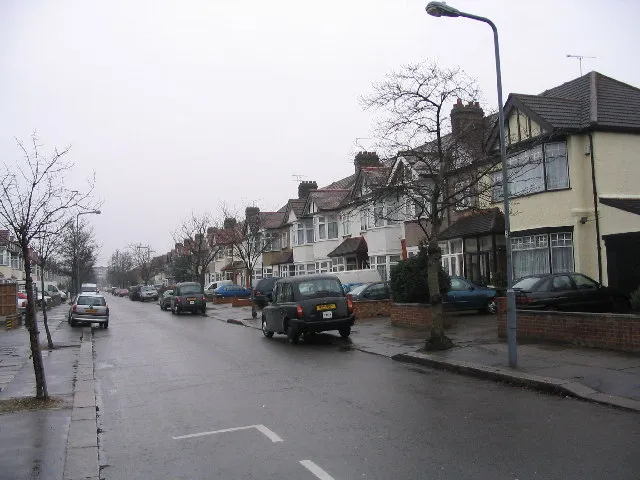
Photo: Andrew Dann, CC BY-SA 2.0, via Wikimedia Commons
There’s a particular kind of wealth that never shows up in a bank balance. It’s the neighbour who has a ladder. The one who’ll take in a parcel without making it weird. The one who texts “bin’s gone out” when you’re still in your dressing gown. On a good street, this quiet economy hums along nicely — no invoices, no meetings, just a steady flow of small, useful kindnesses.
And yet, asking can feel strangely loaded. We worry about being a nuisance. We overthink the return. We wonder whether a borrowed drill requires a full Sunday roast or just a thank-you text with the right number of exclamation marks. So consider this a gentle field guide to the favour economy: how to ask, how to give, and how to keep the whole thing from turning into a residents’ association with a laminated agenda.
The currency isn’t money — it’s memory
Nobody keeps a spreadsheet. That would ruin it. But streets do have a collective memory. Borrow a ladder in April and return it in July with a slightly embarrassed wave, and people notice. Not in a judging way — more in the way you notice someone’s wheely bin has been out for three days.
The trick is to treat a favour as a loop, not a transaction. You don’t need to repay it pound for pound. You need to close the loop. A drill returned with a packet of decent biscuits. A lift to the station repaid with a jar of something homemade. A spare egg returned as a slice of cake, even if the cake is a bit lopsided. The loop matters more than the maths.
Ask small, ask clearly, ask once
The best favour requests are specific and low-drama. “Have you got a screwdriver I could borrow for ten minutes?” is easy to answer. “Could you help me put up some shelves at some point?” is a diary negotiation in disguise.
Be clear about the ask, the timescale and whether you’ll collect. Then get out of the conversation gracefully. Don’t hover. Don’t over-apologise. A simple “that’s brilliant, thanks — I’ll bring it back tomorrow” does more for neighbourly goodwill than three paragraphs of preamble.
And if the answer is no? Take it well. A closed door today doesn’t mean a closed door forever. The favour economy survives on people feeling able to say “not right now” without it becoming A Thing.
The unwritten rules of returning
Return things cleaner than you got them. Not obsessively — just respectfully. Rinse the Tupperware. Wipe the drill bit. Put the ladder back where it was, not leaning against your own fence for a fortnight.
Return promptly, or communicate. If the job took longer than expected, a quick text — “still got your drill, it’s living its best life, back tomorrow” — is worth its weight in gold. Silence is what makes favours feel like debts.
And please, don’t upgrade the favour without asking. If your neighbour lends you a basic hand saw, don’t return a hedge trimmer you found in a skip and expect them to be thrilled. Generosity is lovely; surprise admin is not.
Low-effort gestures that build trust
You don’t need to be the street’s unofficial mayor. Tiny gestures, repeated occasionally, do the heavy lifting:
- Parcel watch. Take in a delivery, then pop a note through the door so they know where it is. No need to stage a handover ceremony.
- Bin watch. On windy bin day, rescue a neighbour’s lid before it becomes a road hazard. This is peak quiet heroism.
- Spare ingredients. Half a lemon, a splash of milk, an egg when the shop is a ten-minute walk away. Small, specific, deeply appreciated.
- Plant duty. Watering cans during a heatwave or a holiday. Keep it simple: one visit, one photo, no botanical lecture.
- The “you left your lights on” text. Boring, useful, weirdly intimate in a good way.
- A slice of whatever you’ve baked. Even if it’s a bit dense. Especially if it’s a bit dense.
- Ladder diplomacy. If you own the ladder, you are already a minor local institution. Lend it with a smile and a “no rush”.
Don’t let it become a committee
The moment someone suggests a rota, a group chat with 47 pinned messages, or a “street WhatsApp” that only discusses bins, the joy starts to leak out. The favour economy works because it’s informal. It’s not a service-level agreement. It’s not a Neighbourhood Watch spin-off with minutes.
Keep it loose. Keep it human. If you’re the one who always gives, it’s fine to be occasionally unavailable. If you’re the one who always borrows, make sure you’re also the one who remembers to return, and who notices when someone else might need a hand.
The quiet economy of neighbourly favours isn’t about keeping score. It’s about keeping the street warm. A borrowed drill here, a spare egg there, a lemon cake that arrives slightly late and slightly wonky — that’s the whole system. It runs on trust, biscuits and the radical idea that asking for help is not a weakness. It’s just what neighbours do.